

 +39 3476141118
Encyclopedia of Ecology 4 vol.
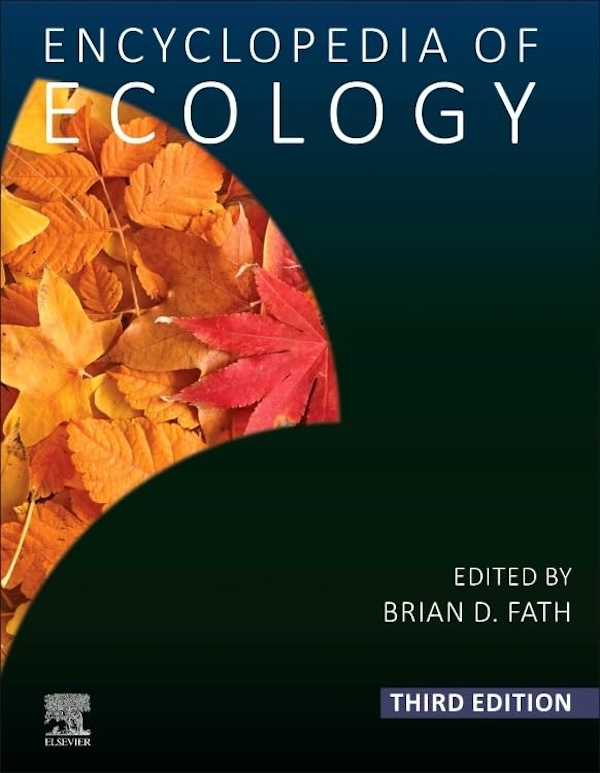
Encyclopedia of Ecology 4 vol.
- Disponibile in 7 giorni
- Possibilità di reso entro 10 giorni lavorativi
- Transazione sicura con carta di credito, Paypal o bonifico bancario
- Spedizione tracciata con SDA
Encyclopedia of Ecology, Third Edition, Four Volume Set updates and expands previous versions giving a complete account of current ideas and practices in ecology. Special focus is given to interdisciplinary work in socio-ecological systems. Ecology is the best field to deal with complex, adaptive, and self-organizing systems. We can learn much about sustainable systems by observing and understanding ecosystems. This helps facing questions related to land management, environmental policy development, urban metabolism, industrial symbiosis, global commons and renewable energies, to name a few. Traditionally, the science of ecology focused on measuring the abundance and distribution of species in a defined spatial area. This emphasis on field observations, inventorying, and accounting was a necessary step in acquiring a baseline understanding of the natural world. More recently, ecology emphasizes putting all the pieces together and the relations between organisms within one species (population ecology), among different species (community ecology), and with their environment (ecosystem ecology). It is these relations and interconnections—the networks of life—that are at the core of this encyclopedia. Understanding these ecological relations is foundational to sustainability science and the underpinnings of human-nature interactions. Recent research at multiple scales includes topics such as biodiversity loss, soil conservation and sustainable agriculture, emerging diseases, eco-mimicry, and climate change. Awareness of the importance of ecological education and environmental literacy is growing across curricula. Written and edited by an international team of experts, this encyclopedia aims at linking theory and application, serving students and those needing entry-level summaries of specific ecology topics. It helps them creating connections and find relevant, more in-depth resources.


