
 +39 3476141118
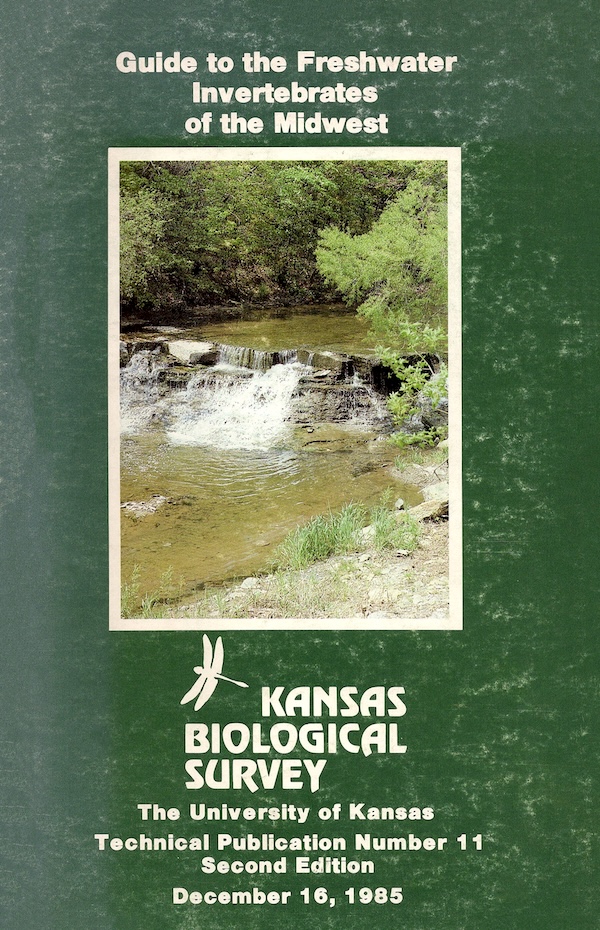
Guide to the freshwater invertebrates of the Midwest
Guide to the freshwater invertebrates of the Midwest
- Disponibile in 48 ore
- Possibilità di reso entro 10 giorni lavorativi
- Transazione sicura con carta di credito, Paypal o bonifico bancario
- Spedizione tracciata con SDA
The major purpose of this guide is to assist the reader in the recognition and determination of commonly occurring freshwater invertebrates inhabiting streams within the Kansas City District, Office of Surface Mining. This area encompasses the states of Nebraska, Iowa, Kansas and Missouri. In addition, the information will broaden the user's understanding of the impacts of surface mining on aquatic life. The details of anatomy, physiology, and more specific taxonomic information have been minimized for ease of use. This guide was prepared primarily by staff members of the State Biological Survey of Kansas for the Kansas City District Office of Surface Mining (OSM). The assistance and expertise of the various contributors added greatly to the completeness of this guide. Many of the author's illustrated their chapters, in those instances where existing illustrations were taken or redrawn from other sources, proper credit is given following the figure legends. The guide was prepared in fulfill- Graduate Studies, and Public Service of the University of Kansas by OSM. Taxonomic sections of this guide have been simplified for use by non-taxonomists. However, the completeness and regional nature of these sections makes this guide of value to all people interested in aquatic macro-invertebrates. Because of this, a cooperative agreement has facilitated publication of this guide within the Technical Publications series of the State Biological Survey of Kansas. The Biological Survey gratefully acknowledges the cooperation and foresight of the Office of Surface Mining in making the guide available through the Survey's publication program. The substance of the Guide to the Freshwater Invertebrates of the Midwest published September 29, 1981 has been maintained in this second edition. However, the opportunity was taken to remove typographical errors, improve upon keys to certain taxonomic groups and add references to more current literature. The editorial committee hope this second edition will continue to facilitate and aid in the identification of aquatic invertebrates of the Midwest and the sections with stream study techniques, sample collection and impact determination will also continue to have utility.