
 +39 3476141118
History of nautical astronomy
History of nautical astronomy
- Non disponibile, richiedi informazioni sulla disponibilità
- Possibilità di reso entro 10 giorni lavorativi
- Transazione sicura con carta di credito, Paypal o bonifico bancario
- Spedizione tracciata con SDA
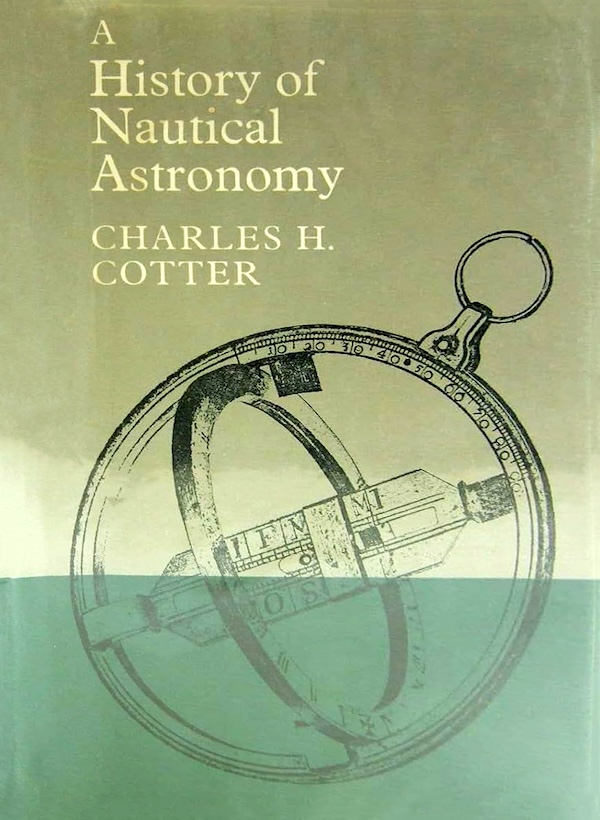
This is a scholarly yet engaging account tracing how sailors historically needed a perfect knowledge of trigonometry to find their way across the vast, pathless ocean. Cotter charts the development of celestial navigation from antiquity through the modern era, covering figures and concepts ranging from Hipparchus to the astrolabe, cross-staff, sextant, and chronometer — along with the mathematical and observational methods sailors used to determine latitude and longitude at sea. This is a title for maritime historians, navigation enthusiasts, sailors interested in the "why" behind their instruments, and anyone drawn to the history of science and exploration. Given its technical appendices, readers with some patience for mathematics will get the most out of it, though the historical narrative itself remains accessible.