
 +39 3476141118
Marine and estuarine ecology
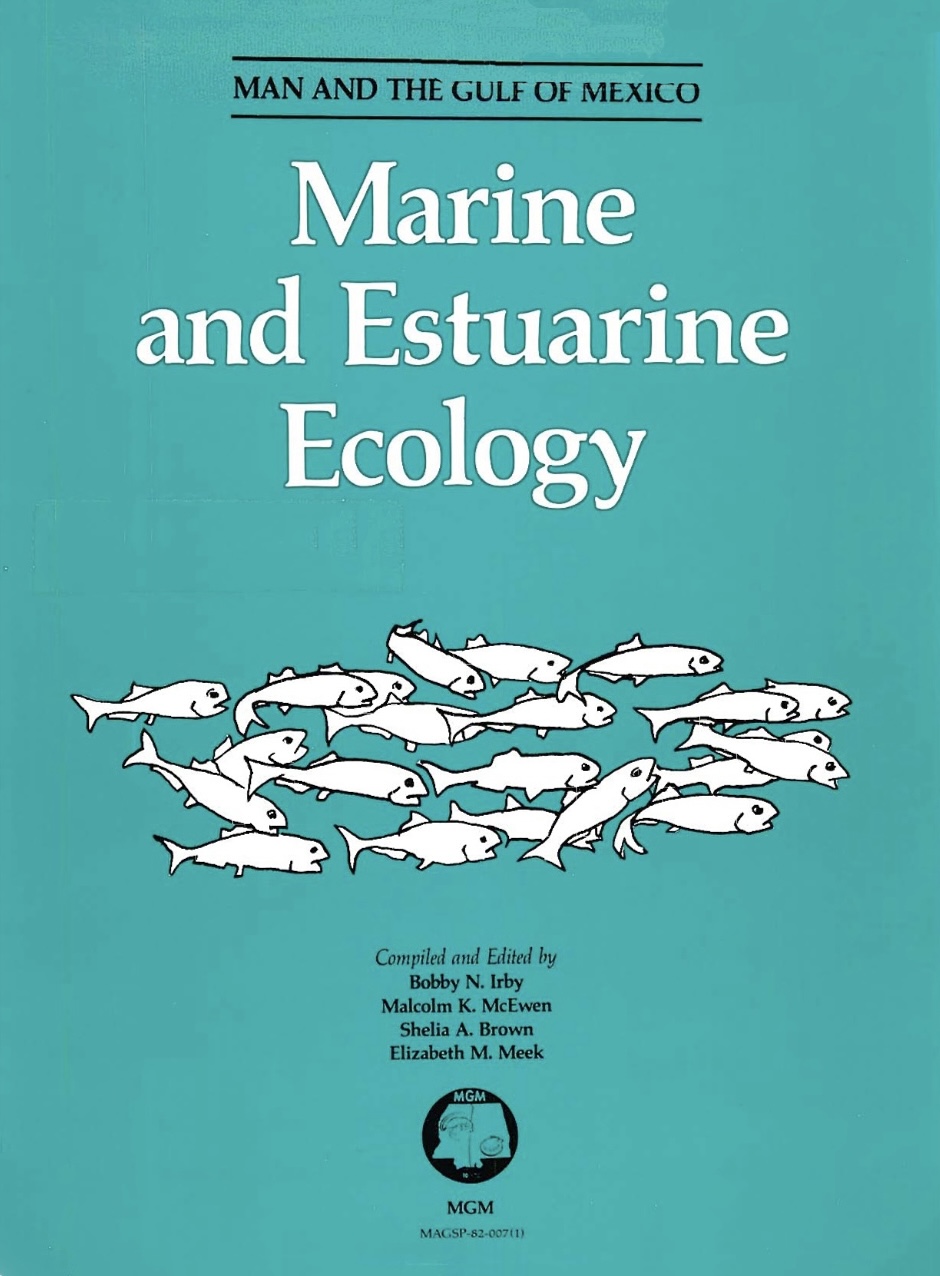
Marine and estuarine ecology
- Non disponibile, richiedi informazioni sulla disponibilità
- Possibilità di reso entro 10 giorni lavorativi
- Transazione sicura con carta di credito, Paypal o bonifico bancario
- Spedizione tracciata con SDA
An estuary isa partially enclosed body of water having a free connection with the sea. The sea water within the estuary is diluted with fresh water from its drainage area. Generally, salinity of the water is less than that of sea water, but it varies from time to time. Estuarine organisms must be adapted in one way or another to tolerate varying salini ties. There are a variety of habitats within an estuary and each habitat has its characteristic plants and animals. Estuarine communities consist of a mixture of species: those that normally occur in the area, species which come in from the sea, and a few which have the adaptation for penetrating to or from the freshwater environment. Although the estuarine environment is changeable and difficult, it is very productive. The fresh water drainage brings down fresh supplies of nutrient salts. The estuaries are characteristically more productive than either the sea which borders one side of the estuary or the freshwater area on the other side. The main source of biological productivity is in the salt marshes. These provide a major source of food for the estuarine ecosystem. Dead marsh plants support huge populations of invertebrates which are preyed upon by fish and birds. This study will examine some of the organisms that live within certain estuarine ecosystems. Emphasis is placed upon the adaptations that the organisms have made in order to survive in this environment and upon the limiting factors that are continually at work in the estuary. Finally, the interaction between an organism and its estuarine habitat is explored to point out that an ecological system results from living and non-living interactions within the estuary and, in more general terms, within the marine environment.