
 +39 3476141118
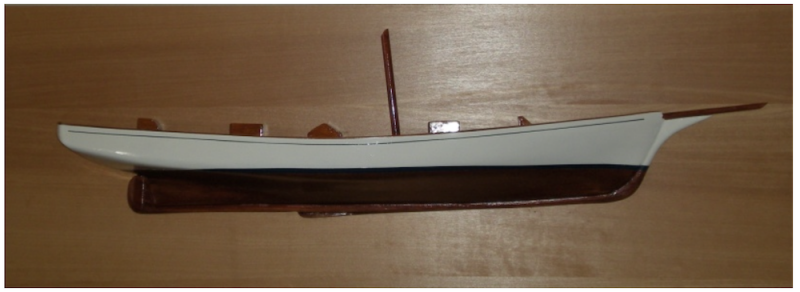
Bluenose
scafo 80 cm - tavola 100x35 cm2 - scala 1: 55
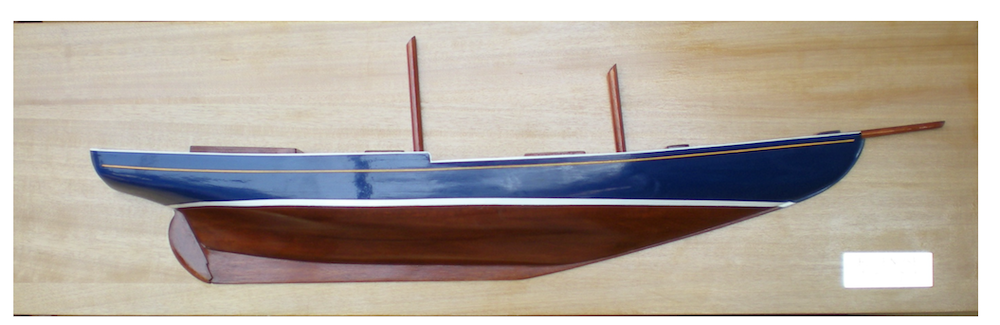
Bluenose
scafo 80 cm - tavola 100x35 cm2 - scala 1: 55
- Disponibile in 7 giorni
- Possibilità di reso entro 10 giorni lavorativi
- Transazione sicura con carta di credito, Paypal o bonifico bancario
- Spedizione tracciata con SDA
Two factors contributed to the creation of the International Fishermen's Trophy. The first being years of friendly rivalry between U.S. and Canadian fishing schooners, the other was the view that the schoonermen had of the America's Cup. They were "yachts" being sailed by "yachtsmen". And when in 1919 the New York Yacht Club cancelled a race because of 23 knot winds being too high, schoonermen could take no more. So in 1920, The Halifax Herald newspaper established a formal racing series. The races would be between real sail carriers that were bona-fide working ships. That year, elimination races in both countries selected contenders. The schooner Esperanto out of Gloucester, Mass., defeated the Delewana of Lunenburg and took the trophy to New England. Dismayed Nova Scotians hired young Halifax designer William J. Roué to design a ship to challenge for the trophy. The schooner Bluenose was built by Smith and Rhuland and launched in Lunenburg on March 26, 1921. In October 1921, after a season fishing on the Grand Banks, Bluenose defeated Gloucester's Elsie and brought the trophy home. In an 18-year racing career Bluenose did not give up the trophy. In 1942, despite the efforts by her Master, Capt. Angus J. Walters of Lunenburg, and others to keep the ship in Nova Scotia, Bluenose was sold to carry freight in the West Indies. In 1955, both Bluenose and Captain J. Angus Walters were inducted into the Canadian Sports Hall of Fame for their achievements in the International Fishermen's Trophy races.
Autore
Ean / Isbn
801000000012